Comprehensive Diabetes Care at Summit Healthcare
Managing diabetes requires a comprehensive approach, and at Summit Healthcare, we are committed to providing the best possible care for our community. Our diabetes education program offers a range of services designed to help you manage your condition effectively and improve your quality of life.
Our Services
Inpatient Assessments and Follow-Ups
When you are admitted to the hospital, our team conducts comprehensive inpatient assessments to evaluate your diabetes management needs. These assessments help us tailor your treatment plan during your hospital stay and ensure continuity of care with regular follow-ups post-discharge.
Diabetes Consulting
Our Diabetes Education Team offers personalized guidance on managing your diabetes. Whether you’re newly diagnosed or seeking to improve your current management plan, our experts are here to help.
Nutrition Management
Proper nutrition is a cornerstone of diabetes management. Our nutrition management program provides individualized dietary plans and ongoing support to help you make healthy food choices that control your blood sugar levels.
Diabetes Support Group
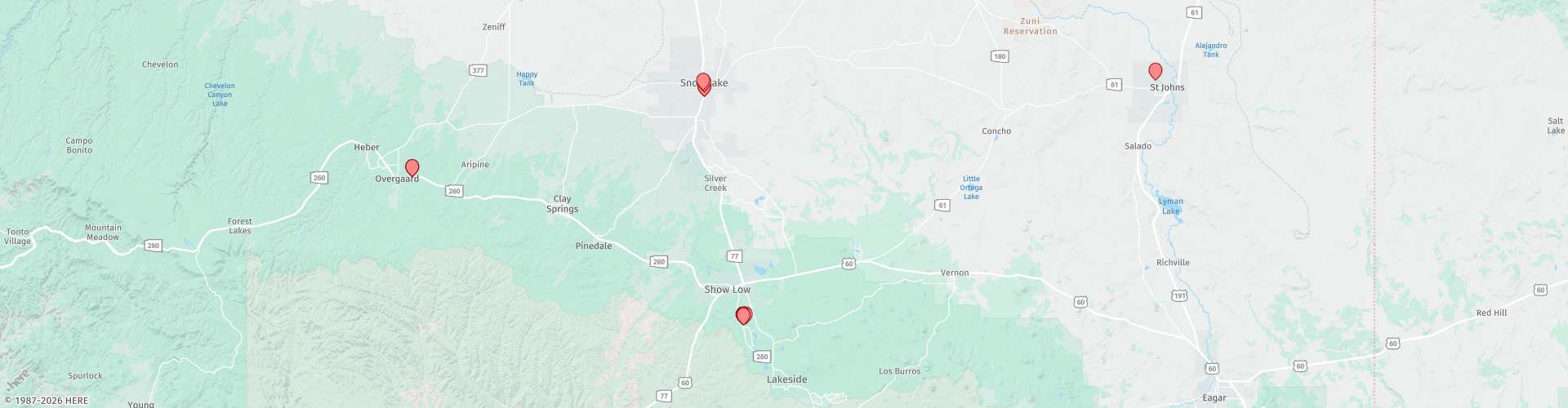
Join our Diabetes Support Group to connect with others who understand the challenges of living with diabetes. The group meets on the first Wednesday of every month at 12 PM at the East Campus - Diabetes Education Classroom, located at 2350 E Hunt Dr, Show Low, AZ 85901. Share experiences, gain insights, and find encouragement in a supportive environment.
Why Choose Summit Healthcare?
Summit Healthcare offers the only outpatient diabetes education program in the area, ensuring you have access to the specialized support you need close to home. Our experienced team is dedicated to providing compassionate and comprehensive care to help you manage your diabetes effectively.
Get Started
For more information, please contact our Diabetes Education Team at 928.537.6984.
Take control of your diabetes with the support of Summit Healthcare. Your journey to better health starts here.
Candidates for Diabetes Care
Comprehensive diabetes care supports individuals at every stage of diagnosis and management. You may be a candidate if you:
- Have been recently diagnosed with diabetes
- Have prediabetes and want to reduce your risk of developing type 2 diabetes
- Are struggling to reach or maintain your target A1C levels
- Experience frequent high (hyperglycemia) or low (hypoglycemia) blood sugar episodes
- Need help understanding how to monitor your blood sugar at home
- Are starting or adjusting insulin or other diabetes medications
- Rely on a continuous glucose monitor (CGM) or insulin pump and want better results
- Feel overwhelmed, confused, or burned out by managing diabetes on your own
- Have other related conditions such as high blood pressure, high cholesterol, or obesity
- Are planning a pregnancy or managing gestational diabetes
- Have a family history of diabetes and want proactive screening and prevention
- Are concerned about potential complications affecting your heart, kidneys, eyes, or nerves
- Want personalized nutrition, exercise, and lifestyle guidance
- Need support creating a sustainable long-term diabetes management plan

Benefits of Diabetes Care
A coordinated, comprehensive approach to diabetes management offers both immediate and long-term advantages, including:
- Improved blood sugar control and more stable daily readings
- Lower A1C levels and reduced risk of complications
- Personalized treatment plans
- Expert medication management and timely adjustments
- Ongoing monitoring to catch and address problems early
- Nutrition counseling and practical meal-planning strategies
- Guidance on safe, effective exercise routines
- Education that empowers you to confidently manage your condition
- Reduced risk of heart disease, kidney disease, nerve damage, and vision problems
- Better weight management and metabolic health
- Fewer diabetes-related emergencies or hospitalizations
- Increased energy and overall well-being
- Greater confidence and reduced anxiety about your health
- Long-term protection of your quality of life
Frequently Asked Questions
National Resources for Diabetes
For additional information and support, here are some valuable national resources related to diabetes:
- American Diabetes Association (ADA)
www.diabetes.org
The ADA provides extensive resources on diabetes management, research, advocacy, and community support. - Centers for Disease Control and Prevention (CDC) - Diabetes
www.cdc.gov/diabetes
The CDC offers detailed information on diabetes prevention, management, statistics, and public health initiatives. - National Institute of Diabetes and Digestive and Kidney Diseases (NIDDK)
www.niddk.nih.gov
The NIDDK provides research-based information on diabetes, including treatment guidelines, clinical trials, and educational resources. - Juvenile Diabetes Research Foundation (JDRF)
www.jdrf.org
JDRF focuses on type 1 diabetes research and advocacy, providing resources for patients, families, and researchers. - Diabetes Self-Management
www.diabetesselfmanagement.com
This site offers practical tips, recipes, and information on managing diabetes through lifestyle changes.
These links offer a wealth of information to help you stay informed and supported in managing your diabetes.