A cancer diagnosis can bring uncertainty, difficult decisions, and many questions about what happens next. Having access to experienced professionals who explain your diagnosis and treatment options clearly can help you feel more prepared to move forward.
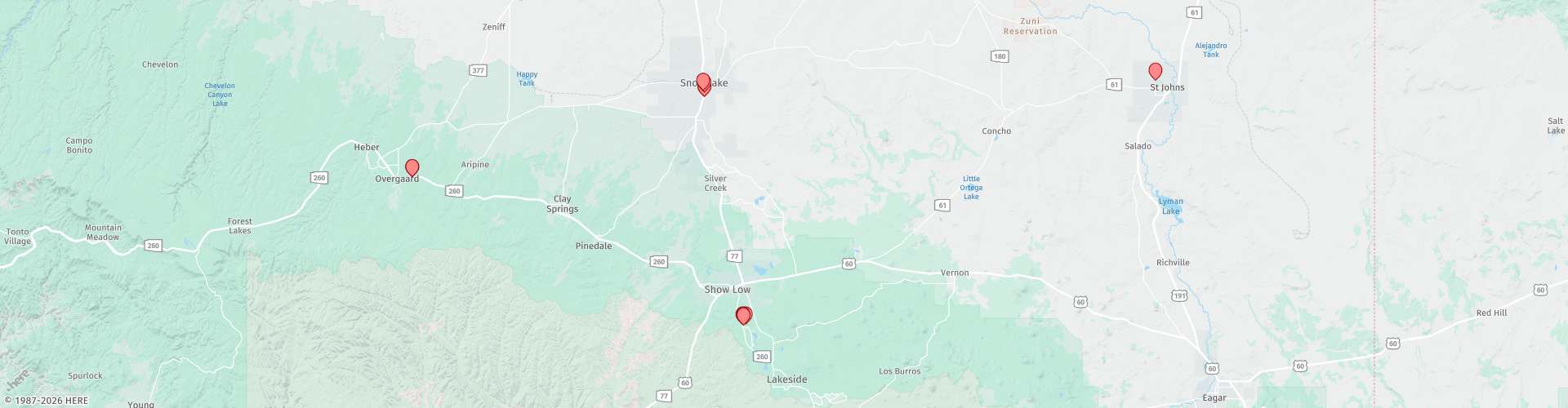
Summit Healthcare Cancer Center provides individualized cancer care in Show Low, AZ, for people throughout Lakeside and the White Mountains. Our services include chemotherapy, radiation therapy, and coordinated support based on your diagnosis, overall health, and treatment goals. Our team is committed to delivering exceptional, compassionate care close to home so you can remain near your family and community.
Understanding Cancer
Cancer develops when abnormal cells grow and divide without the usual controls that regulate healthy cells. These abnormal cells may form a solid tumor, invade nearby tissue, or spread to another part of the body. However, not every cancer forms a tumor. Blood cancers, including certain leukemias and multiple myeloma, affect blood-forming tissues or immune cells.
Cancer is not one disease. It is a broad group of conditions that behave differently depending on where they begin, the cell types involved, their genetic characteristics, and how advanced the disease is when diagnosed.
Some cancers can be cured, while others can be controlled for extended periods. When eliminating the cancer is not possible, treatment may slow its growth, relieve symptoms, preserve function, or support your quality of life.
Different Types of Cancer
Cancer can develop in nearly any organ or tissue. Major categories include:
- Carcinomas: Cancers that begin in the skin or tissues lining internal organs
- Sarcomas: Cancers that develop in bone, muscle, fat, blood vessels, or connective tissue
- Leukemias: Cancers affecting blood-forming tissue, including bone marrow
- Lymphomas and myeloma: Cancers involving cells of the immune system
- Brain and spinal cord tumors: Cancers that begin within the central nervous system
Summit Healthcare Cancer Center treats numerous diagnoses, including:
- Brain cancer
- Breast cancer
- Cervical cancer
- Colorectal cancer
- Head and neck cancer
- Lung cancer
- Multiple myeloma
- Ovarian cancer
- Prostate cancer
- Skin cancer
- Uterine cancer
Other cancers may include bladder, kidney, liver, gallbladder, pancreatic, thyroid, bone, oral, and melanoma cancers. The treatment services available to you will depend on your specific diagnosis and medical needs.
Radiation therapy may also be used for certain noncancerous conditions, including some keloids. Your healthcare team can explain whether treatment at Summit Healthcare Cancer Center is appropriate for your condition.
The Importance of Cancer Screening and Early Detection
Finding certain cancers before symptoms develop may allow treatment to begin earlier. However, routine screening tests are not available for every type of cancer. Established screening methods are commonly used for breast, cervical, colorectal, lung, and some skin cancers, depending on your age and risk factors.
Your screening needs may be influenced by your age, sex, family history, tobacco exposure, previous medical conditions, genetic risks, and other factors. Your primary care provider can help you determine which screenings are appropriate and when they should begin.
Summit Healthcare provides additional cancer prevention and screening resources for individuals and families throughout the White Mountains.
How Your Cancer Treatment Plan Is Created
Cancer treatment is highly individualized. The same diagnosis can behave differently from one person to another, so your care team will consider multiple factors before recommending treatment.
Your plan may be based on:
- The type and location of the cancer
- The cancer’s stage and whether it has spread
- Pathology and imaging findings
- Tumor characteristics or biomarkers, when applicable
- Your age and overall health
- Other medical conditions
- Treatments you have already received
- The potential benefits and side effects of each option
- Your personal needs and treatment goals
Your plan may involve one treatment or a combination of approaches. Chemotherapy and radiation therapy can be used independently, together, or alongside surgery and other cancer treatments. Recommendations may also change depending on how the cancer responds and how you tolerate treatment.
Your oncology team will explain the purpose of the recommended approach, what treatment involves, possible side effects, and what alternatives may be available. You should feel comfortable asking questions and taking an active role in decisions about your care.
Goals of Cancer Treatment
The goal of treatment is not always the same. Understanding why a particular therapy is being recommended can help you evaluate your options and know what to expect.
Cancer treatment may be intended to:
- Eliminate the cancer when a cure is possible
- Remove or destroy as much cancer as possible
- Reduce the risk of cancer returning
- Slow or control cancer growth
- Shrink a tumor before surgery
- Destroy remaining cancer cells after surgery
- Relieve pain, breathing difficulties, or other symptoms
- Preserve organ function
- Maintain or improve quality of life
Your oncology team will discuss the goals of your treatment and how progress will be monitored. Imaging, laboratory testing, physical examinations, and changes in your symptoms may all help your team evaluate your response.
Cancer Treatment Options
The appropriate treatment depends on your diagnosis rather than cancer treatment following one standard path. Summit Healthcare Cancer Center offers chemotherapy and radiation therapy as central components of its cancer treatment program.
Chemotherapy
Chemotherapy uses medications to destroy cancer cells or interfere with their ability to grow and divide. Because chemotherapy can travel through the bloodstream, it may be used when cancer has spread or when there is a risk that cancer cells are present beyond the original site.
Chemotherapy may be used:
- As the primary treatment for certain cancers
- Before surgery or radiation to shrink a tumor
- After surgery to destroy remaining cancer cells
- In combination with radiation therapy
- To control advanced cancer or relieve symptoms
Your chemotherapy medications, schedule, and number of treatment cycles will be customized according to your diagnosis and response. Treatment may involve active therapy followed by a rest period that allows your body time to recover.
Summit Healthcare’s chemotherapy department provides outpatient care supported by knowledgeable oncology professionals and oncology-certified nurses. The department sees approximately 4,800 visits annually and emphasizes a comfortable, family-oriented environment.
Radiation Therapy
Radiation therapy uses focused, high-energy beams to damage the DNA of cancer cells, limiting their ability to multiply. Modern treatment planning allows the radiation oncology team to target the treatment area precisely while reducing unnecessary exposure to surrounding healthy tissue.
Radiation therapy may be recommended:
- As the primary treatment for certain cancers
- Before surgery to shrink a tumor
- After surgery to address remaining cancer cells
- Alongside chemotherapy
- To relieve symptoms caused by advanced cancer
- As an alternative to surgery in selected situations
Treatment is often delivered on an outpatient basis over a series of appointments. The number and frequency of sessions depend on the cancer type, treatment area, radiation dose, and treatment purpose.
What to Expect at Your First Cancer Center Appointment
Your first appointment gives the oncology team an opportunity to understand your diagnosis, health history, and concerns. The visit may include reviewing pathology reports, laboratory results, imaging, previous procedures, current medications, and other medical conditions.
You may receive a physical examination or recommendations for additional testing if more information is needed before treatment can be planned. Once the available information has been reviewed, the oncology team will explain possible treatment options and answer your questions.
Consider bringing:
- Your identification and insurance information
- A current medication and supplement list
- Copies of relevant records not already provided
- A written list of questions
- Information about allergies and previous treatments
- A family member or trusted support person, if desired
You do not have to remember every detail immediately. Taking notes or asking for written information can help you review the discussion after your appointment.
Common Misconceptions About Cancer Treatment
One persistent misconception is that a cancer diagnosis always means treatment will be unsuccessful. Outcomes vary widely. Cancer type, stage, tumor characteristics, overall health, available therapies, and response to treatment all influence prognosis. Advances in screening and treatment have also made many cancers more treatable or manageable than they were in the past.
Another misconception is that eating sugar directly causes an existing cancer to grow faster or that eliminating all sugar will cure cancer. Every cell in your body uses glucose for energy, and avoiding sugar cannot make cancer disappear. However, an eating pattern high in added sugar may contribute to excess weight, which is associated with an increased risk of several cancers.
You should discuss major dietary changes or supplements with your healthcare team. Reliable nutritional guidance can help you maintain strength and meet your body’s needs during treatment.
Possible Side Effects and Risks of Cancer Treatment
Cancer treatments are designed to damage or remove cancer cells, but they can also affect healthy cells and tissues. Possible effects vary widely depending on the treatment, dose, area treated, medication, and your individual health.
Potential side effects may include:
- Fatigue
- Hair loss
- Nausea or vomiting
- Appetite changes
- Skin irritation
- Changes in memory or concentration
- Swelling or lymphedema
- Reduced blood cell counts
- Increased susceptibility to infection
- Blood-clotting concerns
Not everyone develops these effects, and experiencing one side effect does not mean you will experience others.
Neutropenia is a decrease in neutrophils, a type of white blood cell that helps defend your body against infection. Certain cancer treatments can cause neutropenia, although the risk depends on the medication and treatment plan. Your team may use blood tests to monitor your cell counts and explain precautions or warning signs that require prompt attention.
Cancer itself, certain medications, surgery, and reduced activity may also increase the risk of blood clots. Contact your care team immediately if you develop new swelling, pain, warmth, or redness in an arm or leg. Sudden shortness of breath or chest pain requires emergency medical attention.
Managing Side Effects During Treatment
Your oncology team will review expected side effects before treatment and monitor how you respond. Supportive care may include medication, dietary guidance, hydration recommendations, activity modifications, symptom-management strategies, or referrals to other healthcare professionals.
Tell your team about new or worsening symptoms rather than waiting for your next scheduled visit. Early communication may allow symptoms to be addressed before they become more difficult to manage. Do not stop medication, begin supplements, or make significant dietary changes without consulting your healthcare team.
Side-effect management is part of cancer care. The goal is to help you complete treatment as safely and comfortably as possible while protecting your overall well-being.
Coordinated Cancer Care Close to Home
Cancer care may involve several professionals and departments. Depending on your needs, your care may include medical oncology, radiation oncology, diagnostic imaging, laboratory testing, dietary nutrition, rehabilitation, primary care, surgery, or other specialty services.

Coordination helps ensure that relevant information is shared and that each part of your treatment supports the same overall plan. Receiving care in Show Low may also reduce the time and stress of frequent travel, allowing you to stay closer to your family and support system.
Why Choose Summit Healthcare Cancer Center?
Summit Healthcare is a not-for-profit regional healthcare system trusted to deliver exceptional, compassionate care close to home. The Cancer Center combines individualized planning with chemotherapy, radiation therapy, oncology nursing, and access to a comprehensive medical center's resources.
Summit Healthcare’s values of quality and safety, accountability, respect, teamwork, and communication guide your care. The team understands that cancer treatment involves more than addressing a diagnosis. Clear explanations, attentive symptom management, and respect for your preferences are essential parts of the experience.
Frequently Asked Questions
Cancer is one of the most common diseases in the world. Cancer occurs in the body when abnormal cell growth is stimulated, and then begins to multiple. These tumors can then spread to other parts of the body, causing health concerns and complications. Cancer can be cured, managed, or sometimes not cured at all, depending on the type one has.
Early detection and screening for cancer can help tackle the growth of cancer early and increase your chance of eliminating these tumors from your body all together. Modern medical science is constantly researching for new treatments and preventive measures everyday to help prevent and slow down the growth of many different kinds of cancers.
There are a lot of different cancers that people can develop. In addition, there are some cancers that are far more common than others, such as breast cancer, prostate cancer, lung cancer, and bowel cancer.
Below is a list of other types of cancer that can occur:
- Bladder
- Melanoma
- Thyroid
- Pancreatic
- Gallbladder
- Liver
- Kidney
- Bone
- Lip
Cancer can occur in just about every organ in our bodies, including our brains. This is why it is important to have routine check-ups and screenings, especially if you are someone who is more at risk.
Unfortunately, there are misconceptions surrounding cancer treatment that can turn people off from getting it. For example, a very common misconception is that cancer means a patient is guaranteed to die.
This is not true, as cancer treatments have evolved significantly over the years. It is true that cancer does affect everyone differently. Whether or not someone dies from cancer depends on a large number of factors, such as the level, how much it has spread, and if effective treatment is available.
Another common misconception is that cancer becomes worse from sugar consumption. While it is true that consuming a high-sugar diet can increase your risk of developing several cancers, it does not make it worse. Furthermore, refraining from eating sugar will not cause cancer to disappear gradually.
Cancer treatment comes with quite a few risks and side effects that you need to be aware of.
These risks include the following:
- Hair loss
- Lymphedema
- Feelings of nausea
- Vomiting
- Blood clots
- Having difficulty remembering things
- Finding it difficult to concentrate
Another risk of cancer treatment is neutropenia. Neutropenia is when your white blood cell count is decreased. White blood cells are your body’s main defense against infections. How your white blood cells are affected depends on the type of cancer treatment you are receiving.
The entire goal of cancer treatment is to eliminate the cancer from your body and help you live for many more years, and enjoy those years with loved ones in good health and quality of life.

Contact Summit Healthcare Cancer Center in Show Low, AZ
You do not have to navigate a cancer diagnosis or treatment decisions alone. Summit Healthcare Cancer Center provides personalized oncology care for individuals from Show Low, Lakeside, and communities throughout the White Mountains.
To learn more about cancer treatment or schedule an appointment, contact the Cancer Center directly at 928-537-6937. Our team is available to answer questions, explain available services, and help you understand the next steps in your care.