Occupational Health Department at Summit Healthcare
Summit Healthcare offers a full continuum of occupational health services. The Occupational Health Department offers a wide range of physicals to meet your organization’s needs. Learn more about occupational health services at Summit Healthcare below.
What is Occupational Health?

Occupational health is an area of medicine in which practitioners focus on the overall wellbeing of employees. Some organizations have an on-site occupational health department. Those that don’t rely on highly-trained specialists to fill the need for employee care. We are pleased to offer a variety of occupational health services to companies in our area to help them reduce instances of work-related injury and illness.
How is Occupational Health Provided?
Occupational health provides services that evaluate and monitor employees’ health. This may occur through various different screenings and treatment modalities. The main objectives of occupational health services include assessment of ability to perform certain activities and evaluate potential work-related injuries or illnesses.
Types of Occupational Health Services
We provide a variety of occupational health services, including pre-employment physicals and routine wellness screenings. Occupational health is provided with employee consent, keeping in mind that most people have a general health provider from which they obtain care.
While an occupational health provider may stay within a smaller scope of care, such as performing drug screening or basic physicals, this professional may also suggest additional resources for expedited evaluation and treatment of certain conditions.
After conducting the necessary assessment or treatment, the occupational health provider may also prepare a report to be reviewed by the employee and ultimately sent to the employer. Reports are intended to maintain adequate records and, in some cases, address a specific reason for referral as clearly as possible in order to assist with the resolution of a particular workplace situation such as frequent absence.
How Does Providing Occupational Health Services Benefit Organizations?
Some of the ways in which occupational health services benefit organizations include:
- Providing support for the management of illness or injury absence
- Conducting pre-employment health assessments
- Providing non-health-related counseling to employees as needed
- Making recommendations that assist an employee in better work practices
- Occupational Health Specialists are versed in OSHA recording requirements while providing proper care of the injured employee.
Occupational Health Services We Offer
Services at Summit Healthcare include:
- Occupation Physicals
- Commercial Drivers Physicals on Tuesday and Thursday mornings, call for an appointment
- Respirator Physicals and testing
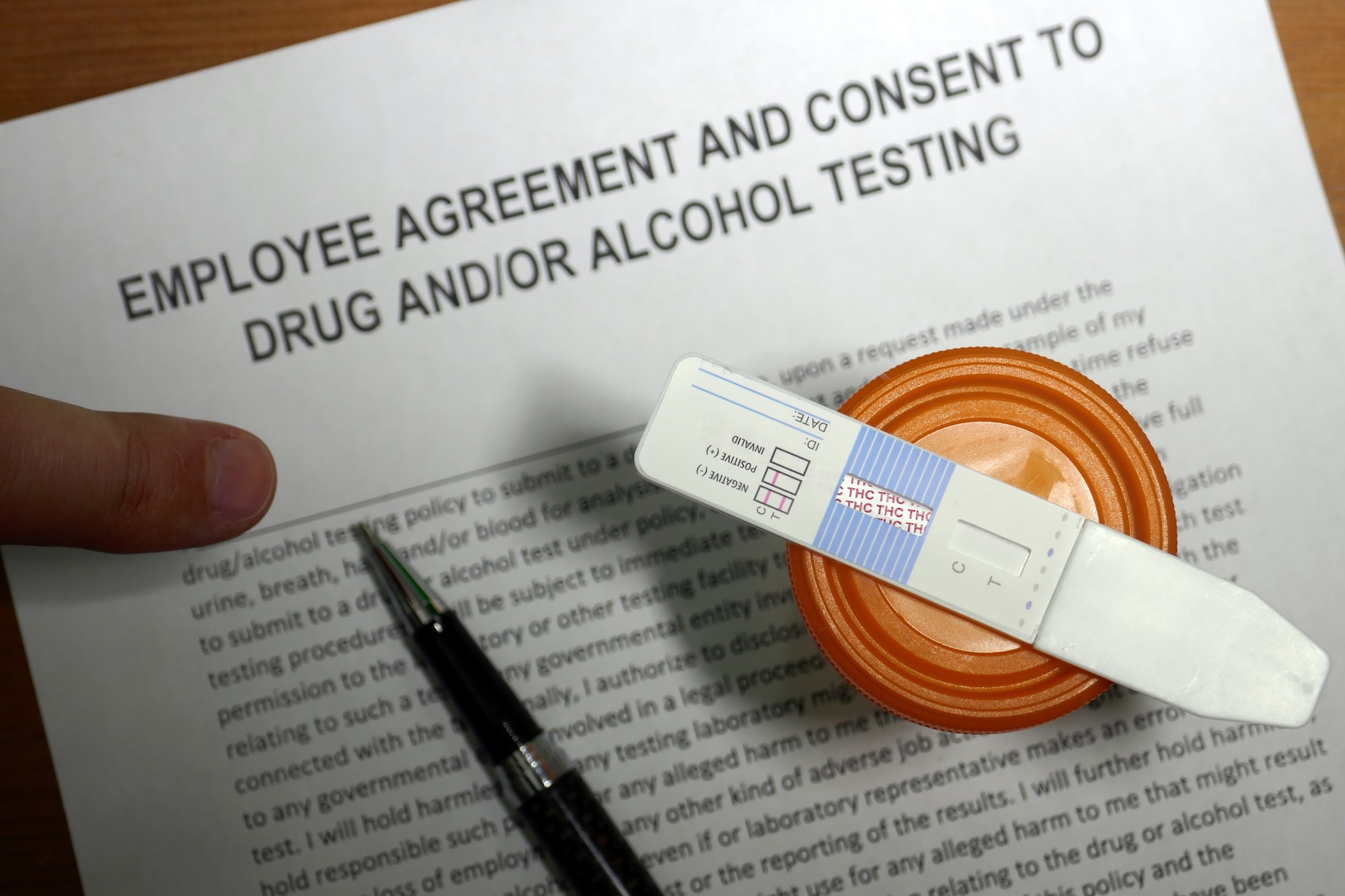
- Drug Screening: Federal and Non-Federal for Employers and the Public
- Biohazard Testing and Management
- Adult immunizations including MMR, Hepatitis B, Hepatitis A, Tetanus/Diphtheria, Typhoid, Seasonal Flu, Pneumonia, and TB Skin Tests
- Blood Titer testing for Chickenpox, Hepatitis B, Measles, Mumps, Rubella and Lead levels
- Wellness Screenings, including Complete Blood Count, Complete Metabolic Profile, Iron, Kidney Profile, Blood Sugar, Thyroid Study, Lipid Panel (Cholesterol, Triglycerides, HDL, LDL) and PSA. The wellness screen also consists of simple EKG and PFT (Pulmonary Function Test), hearing screen and a vision screen.
- Breath Alcohol testing
- Evaluation and treatment of work-related injuries
When are Occupational Medicine Services Needed?
The range of occupational health services available today can help organizations in several ways. An employer may obtain pre-employment services for a proposed employee, provide general wellness services to employees, such as routine vaccinations, and receive assistance from an occupational health specialist in resolving work-related illnesses.
Seeking occupational health services is beneficial to answer a variety of questions regarding an employee’s ability to perform to a given standard. Some of the questions that may be answered through an occupational health evaluation include:
- Is an employee medically capable of working in a given role?
- Might an employee benefit from adjustments in their work environment?
- Is an employee properly supported in their health?
- Is an employee’s role or work environment causing or exacerbating an illness?
- Is an employee’s ability to perform tasks affected by the medication they are taking?
Many of our services can be obtained on a walk-in basis. Employee physicals should be scheduled in advance. An employer may not be responsible for every aspect of their employees’ health. They do, however, have a duty to ensure employees are fit for their given roles. This duty also includes general employee health and safety and the assurance that work conditions are not likely to cause occupational illness.
Why Choose Summit Healthcare for Occupational Health
At Summit Healthcare, we are trusted to deliver exceptional, compassionate care close to home. As a not-for-profit regional medical center serving Arizona’s White Mountains, we are proud to care for more than 90,000 permanent and seasonal residents across a 3,000-square-mile area. With a wide network of experienced physicians representing numerous specialties, we provide comprehensive occupational health services backed by state-of-the-art technology and more than 50 years of service to our community.

We prioritize quality, safety, and clear communication in every patient interaction. Summit Healthcare operates in full compliance with all applicable laws and regulations, upholding the highest standards of ethics and integrity. When you choose Summit Healthcare for occupational health services, you can feel confident knowing your workforce is supported by a healthcare system dedicated to excellence and responsible, patient-centered care.
Frequently Asked Questions
Learn More
Monday - Thursday: 8:00 am to 11:00 am and 1:00 pm to 4:00 pm
Fridays: 8:00 am to 11:00 am
For more information on the services offered by Summit Healthcare’s Occupational Health Department, contact the Health and Wellness Coordinator, at 928.537.6949.