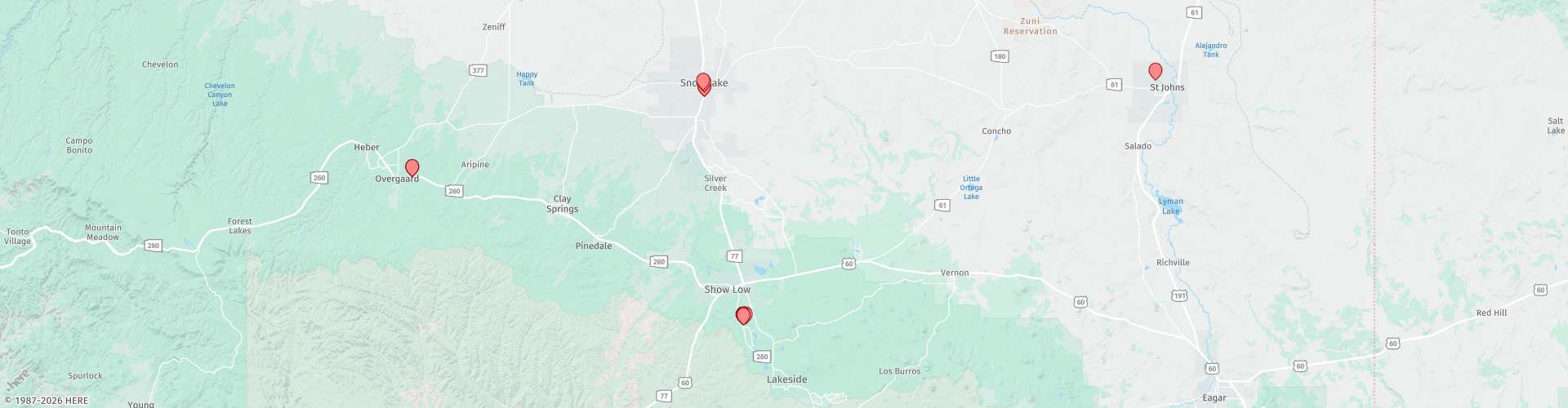
At Summit Healthcare’s Cancer Center in Show Low, AZ, patients facing colorectal cancer have access to state-of-the-art, individualized care, including advanced chemotherapy and radiation therapy, delivered by a compassionate, experienced team.
Recommended Screening Age
For most people at average risk, medical organizations such as the American Cancer Society recommend starting colorectal cancer screening at age 45. If you’re healthy and have no significant risk factors, regular screening should continue through age 75. After that, screening decisions are usually made on an individual basis, depending on overall health and life expectancy.
Who Should Be Screened Earlier?
Some individuals may need to begin screening before age 45. You may be considered higher risk if you have:
- A family history of colorectal cancer or advanced polyps
- Had colon polyps, colorectal cancer, or an inflammatory bowel disease, like Crohn’s disease or ulcerative colitis
- Certain genetic conditions, like Lynch syndrome or familial adenomatous polyposis (FAP)
If any of these apply to you, you may require earlier or more frequent screening.
Common Screening Options
There are several screening methods available, and the right choice depends on your risk level and personal preferences:
- A colonoscopy is the most comprehensive option and is done every 10 years for average-risk individuals.
- A stool-based test may be performed annually or every few years, but it requires a follow-up colonoscopy if the results are abnormal.
Don’t Wait for Symptoms
Colorectal cancer often develops without noticeable symptoms in its early stages. Waiting until you experience abdominal pain, changes in bowel habits, or unexplained weight loss can delay diagnosis. Screening helps detect precancerous polyps or early-stage cancer, often before you feel anything is wrong.
Get Compassionate Cancer Treatment in Show Low, AZ
If you’re approaching screening age or have risk factors, talk with your healthcare provider. If you’ve been diagnosed with cancer, call us at 928-537-4375 to schedule an appointment to discuss your options. Early detection saves lives.