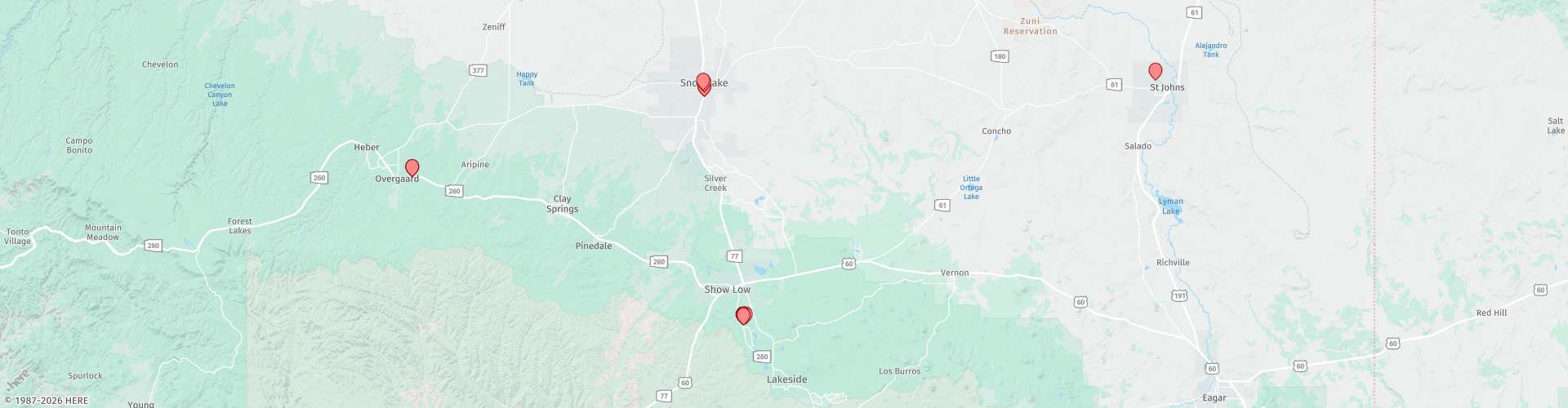
If you have questions about flu symptoms or need medical care, the team at Summit Healthcare is here to help. Serving communities throughout Arizona’s White Mountains, Summit Healthcare provides compassionate, personalized care through family medicine clinics across Navajo and Apache counties, helping individuals and families stay healthy.
Myth #1: The Flu Is Just a Cold
One of the most common misconceptions is that the flu is simply a more intense version of the common cold. In reality, influenza is caused by a different virus and can lead to more serious symptoms.
Myth #2: You Only Get the Flu in Winter
While flu cases often peak in the winter months, the virus does not disappear when spring arrives. Flu activity can continue for several months after the peak season.
Myth #3: Healthy People Don’t Need to Worry About the Flu
Even healthy individuals can become seriously ill from the flu. While some people may experience mild symptoms, others may develop complications that require medical care. Additionally, healthy individuals can spread the virus to more vulnerable populations, including infants, older adults, and those with chronic health conditions.
Myth #4: The Flu Shot Can Make the Flu Worse
A common myth is that the flu vaccine can cause the flu. In reality, flu shots are made with inactivated viruses or small pieces of viruses, meaning they cannot cause influenza. Some people may experience mild soreness at the injection site, tiredness, or a low-grade fever for a day or two.
Myth #5: Once You Start Feeling Better, You’re No Longer Contagious
Many people assume they are no longer contagious once their symptoms begin to improve. However, flu viruses can still spread for several days after symptoms start. In many cases, individuals remain contagious for about five to seven days, sometimes longer in children.
Staying Informed During Flu Season with Family Medicine in Show Low, AZ
Even as temperatures rise, flu season may still be active in your community. If you or a family member has flu symptoms or has questions, call us at 928-537-4375 to schedule a visit.