Forgetting where you put your keys or struggling to recall a name can happen to anyone, especially as we get older. Some memory changes are normal with age, but frequent forgetfulness that disrupts daily life may deserve a closer look. So, how do you know if memory changes are normal or neurological?
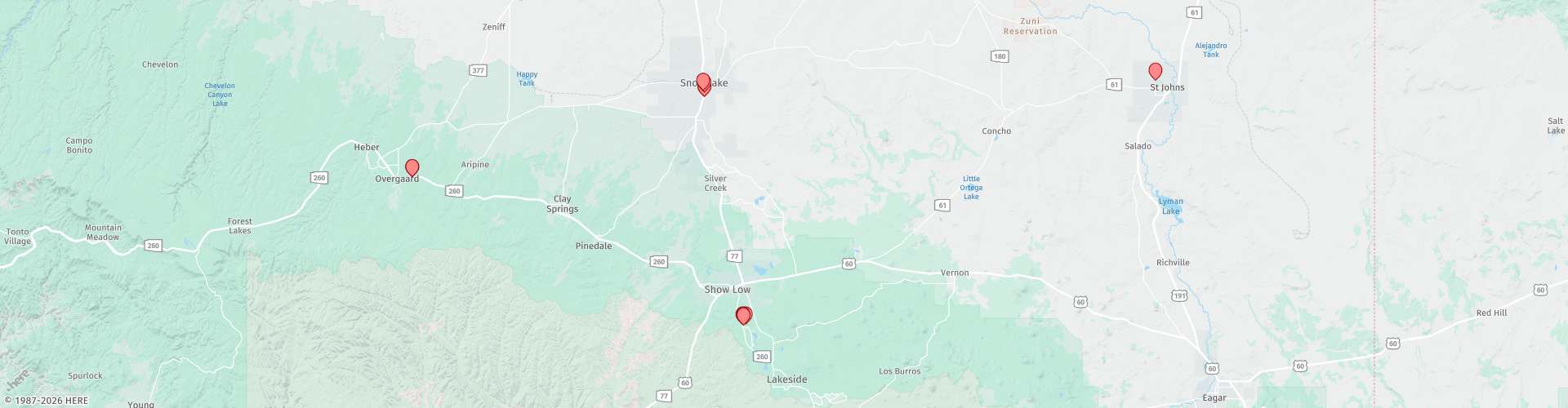
At Summit Healthcare, patients in Show Low and throughout Arizona’s White Mountains have access to comprehensive healthcare services close to home. Our experienced medical team provides compassionate, patient-centered evaluations to help identify possible causes of memory changes and determine appropriate next steps.
What Memory Changes Can Be Normal With Aging?
Normal aging may make it take a little longer to recall certain information, but the information often comes back later. Common age-related changes may include:
- Occasionally forgetting names or appointments
- Misplacing everyday items from time to time
- Taking longer to learn something new
- Occasionally walking into a room and forgetting why
- Needing reminders or lists more often than before
These changes typically do not prevent someone from working, managing household responsibilities, maintaining relationships, or completing familiar daily tasks.
When Can Forgetfulness Be a Warning Sign?
Memory loss may be more concerning when it becomes frequent, noticeable to others, or begins interfering with independence. Signs that may warrant a medical evaluation include:
- Repeatedly asking the same questions
- Getting lost in familiar places
- Difficulty following familiar instructions or completing routine tasks
- Forgetting important recent conversations or events
- Trouble managing medications, appointments, or finances
- Increasing confusion about dates, places, or people
- Significant changes in judgment, behavior, or personality
Memory problems do not automatically mean someone has dementia. Several potentially treatable conditions can affect memory, including medication side effects, sleep problems, vitamin deficiencies, thyroid disorders, depression, infections, and other medical conditions.
What Happens During a Memory Evaluation?
A healthcare provider may review your symptoms, medications, health history, and daily functioning. Depending on your concerns, additional testing may include a physical or neurological examination, memory and thinking assessments, blood tests, or imaging studies.
Early evaluation can help identify treatable causes and guide next steps if a neurological condition is contributing to the changes.
Gain Clarity With Memory Loss Evaluation in Show Low, AZ
If memory changes are becoming more frequent or interfering with daily life, answers can help you plan the right next steps. Summit Healthcare provides comprehensive evaluations and coordinated care to help patients and families better understand changes in memory and cognitive health. Call 928-537-4375 to schedule a consultation for a memory loss evaluation in Show Low, AZ.