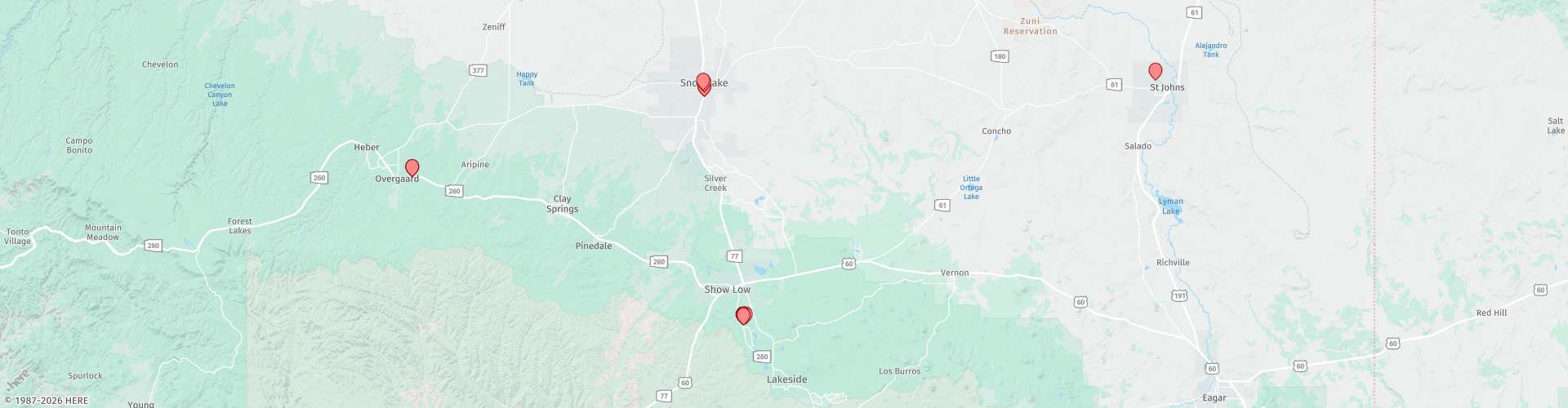
The cardiology team at Summit Healthcare in Show Low, AZ, provides pacemaker monitoring, diagnostic testing, and individualized cardiac care. Prompt evaluation can help identify potential concerns and ensure your pacemaker continues supporting your heart effectively.
The Role of a Pacemaker
A pacemaker is a small electronic device usually implanted beneath the skin of the chest. It monitors the heart’s electrical activity and sends electrical impulses when the heartbeat becomes too slow or irregular.
Modern pacemakers can respond to changes in activity and adjust the pacing rate as needed. However, the device’s programming, battery, leads, and surrounding tissue should be checked regularly.
Can a Pacemaker Be Adjusted?
Many patients ask, can a pacemaker be adjusted after implantation? Yes. A cardiologist or specially trained technician can change the device’s settings without surgery by using an external programmer.
Adjustments may be needed when:
- Your activity level or health changes
- Your heart rhythm changes
- The pacing rate is too fast or too slow
- Medications affect your heartbeat
- You experience new or recurring symptoms
Routine follow-up visits allow your care team to check the battery, review stored heart rhythm information, and determine whether reprogramming is appropriate.
Pacemaker Adjustment Symptoms to Watch For
Possible pacemaker adjustment symptoms may include:
- Dizziness or lightheadedness
- Fainting or near-fainting
- Heart palpitations
- An unusually fast or slow heartbeat
- Shortness of breath
- Persistent fatigue or weakness
- Reduced ability to exercise
- Hiccups or muscle twitching near the chest
These symptoms do not always mean the device is failing, but they should be discussed with your cardiology provider.
Pacemaker Malfunction Symptoms
Potential pacemaker malfunction symptoms can occur due to issues with the battery, leads, programming, or the connection between the device and the heart. Warning signs may include a return of the symptoms you experienced before receiving the pacemaker, unexplained fainting, difficulty breathing, chest discomfort, or a noticeable change in your pulse.
Intense chest pain, significant shortness of breath, or loss of consciousness requires immediate emergency care.
What Causes Pain Around a Pacemaker?
Patients may wonder what causes pain around a pacemaker, especially when discomfort develops after the initial healing period. Possible causes include:
- Irritation from the device or leads
- Inflammation or infection
- Movement of the pacemaker
- Scar tissue
- Pressure from clothing or activity
- Lead displacement or damage
Redness, warmth, swelling, drainage, fever, or worsening pain around the pacemaker site should be evaluated promptly.
Keep Your Heart Healthy in Show Low, AZ
Recognizing the warning signs that a pacemaker adjustment or replacement may be needed can help prevent complications and protect your heart health. Regular device checks are also important because pacemaker batteries eventually need replacement.
Contact Summit Healthcare Regional Medical Center at 928-537-4375 to schedule an appointment for a pacemaker evaluation or cardiac health check in Show Low, AZ.