A heart evaluation helps your cardiologist understand how well your heart is functioning and whether you have risk factors that require attention. At Summit Healthcare in Show Low, AZ, skilled cardiologists provide personalized evaluations supported by advanced diagnostic technology. This combination of clinical experience, testing, and compassionate care helps you make informed decisions about your cardiovascular health.
Your Symptoms and Medical History
Your cardiologist will begin by asking why you scheduled the appointment. Symptoms such as chest discomfort, shortness of breath, palpitations, dizziness, fainting, fatigue, or leg swelling can provide important clues.
You will also discuss your personal and family medical history. High blood pressure, diabetes, high cholesterol, smoking, previous heart problems, and a family history of cardiovascular disease may increase your risk. Bring an updated list of your medications and supplements, along with any previous cardiac test results.
Your Heart and Circulation
During the physical examination, your cardiologist will listen to your heart for changes in its rate, rhythm, or sounds. Your lungs may be checked for signs of fluid buildup, while your pulse and blood pressure provide information about circulation.
The evaluation may also include checking your legs and ankles for swelling and examining the blood vessels in your neck. These findings do not provide a diagnosis on their own, but they can help determine whether additional testing is appropriate.
Tests That Provide a Closer Look
Your symptoms and examination findings guide which tests you may need. An electrocardiogram records your heart’s electrical activity and can identify certain rhythm changes. An echocardiogram uses ultrasound to evaluate the heart’s structure and pumping function.
Stress testing shows how your heart performs during exertion. A Holter or event monitor records your rhythm over an extended period, which can be helpful when symptoms come and go. Summit Healthcare also offers nuclear cardiology imaging and cardiac catheterization when you need a more detailed evaluation.
Explore Your Next Steps
After reviewing the findings, your cardiologist will explain whether you need monitoring, lifestyle changes, medication, further testing, or treatment. Your plan will reflect your symptoms, risks, overall health, and personal needs.
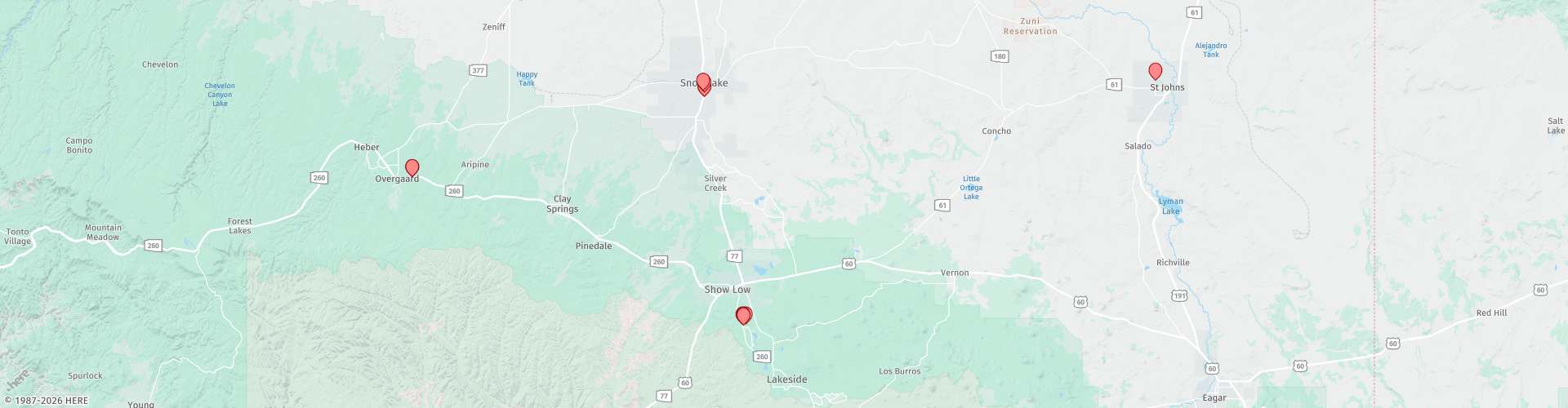
Summit Healthcare provides preventive, diagnostic, interventional, and rehabilitative cardiac care backed by a multidisciplinary medical team. If you have concerns about your heart, contact 928-537-4375 to schedule a cardiology evaluation in Show Low, AZ. Summit Healthcare also serves patients from Lakeside and communities throughout the White Mountains.